
Messaging Frameworks

UntilNow has really helped us push a brand that stands out and differentiates. That’s why we are willing to say “we can take that leap forward”.

Kim Hansen
CEO & Co-Founder
Cake
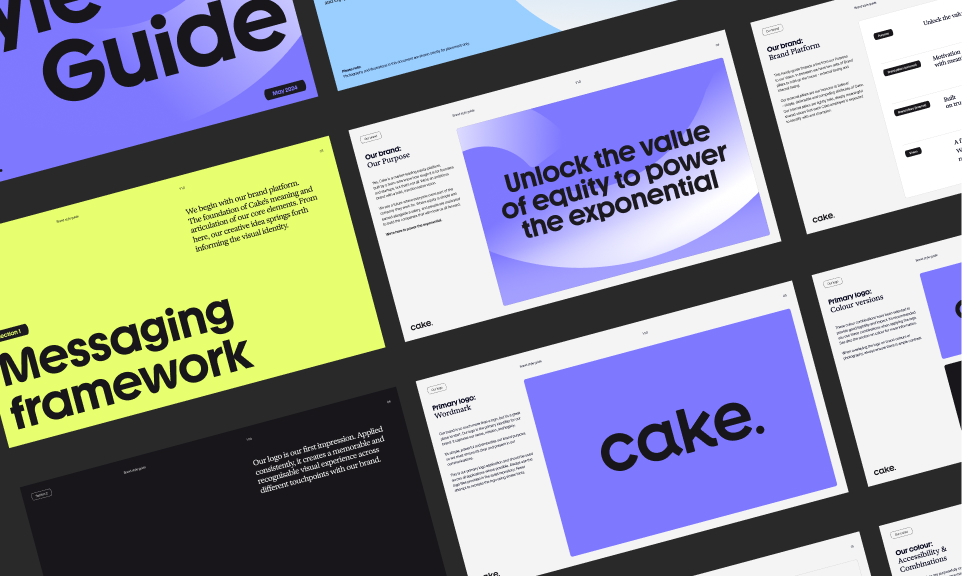
Most messaging problems aren't copywriting problems, they're clarity problems. UntilNow builds messaging frameworks that resolve the debate, with primary messages, pillar messages, proof points, and audience specific variations your team can apply across web, sales, product, and campaign work. One framework, no more reinventing the wheel on every brief.
Book a call
What we offer
What we build into a messaging framework
A messaging framework is only useful if it's specific, differentiated, and easy to apply. We avoid generic positioning statements and instead develop messaging hierarchies that give every team, marketing, sales, product, customer success, a clear point of reference.
- Discovery – We interview founders, leadership, customers, and sales teams to surface what actually matters and what the market values.
- Positioning – We define your category frame, target audience, and competitive differentiation.
- Value proposition – We articulate the core promise in language customers recognise.
- Messaging architecture – We build a hierarchy: primary message, pillar messages, proof points, and audience-specific variations.
- Enablement – We deliver playbooks, message maps, and example copy your team can apply immediately.
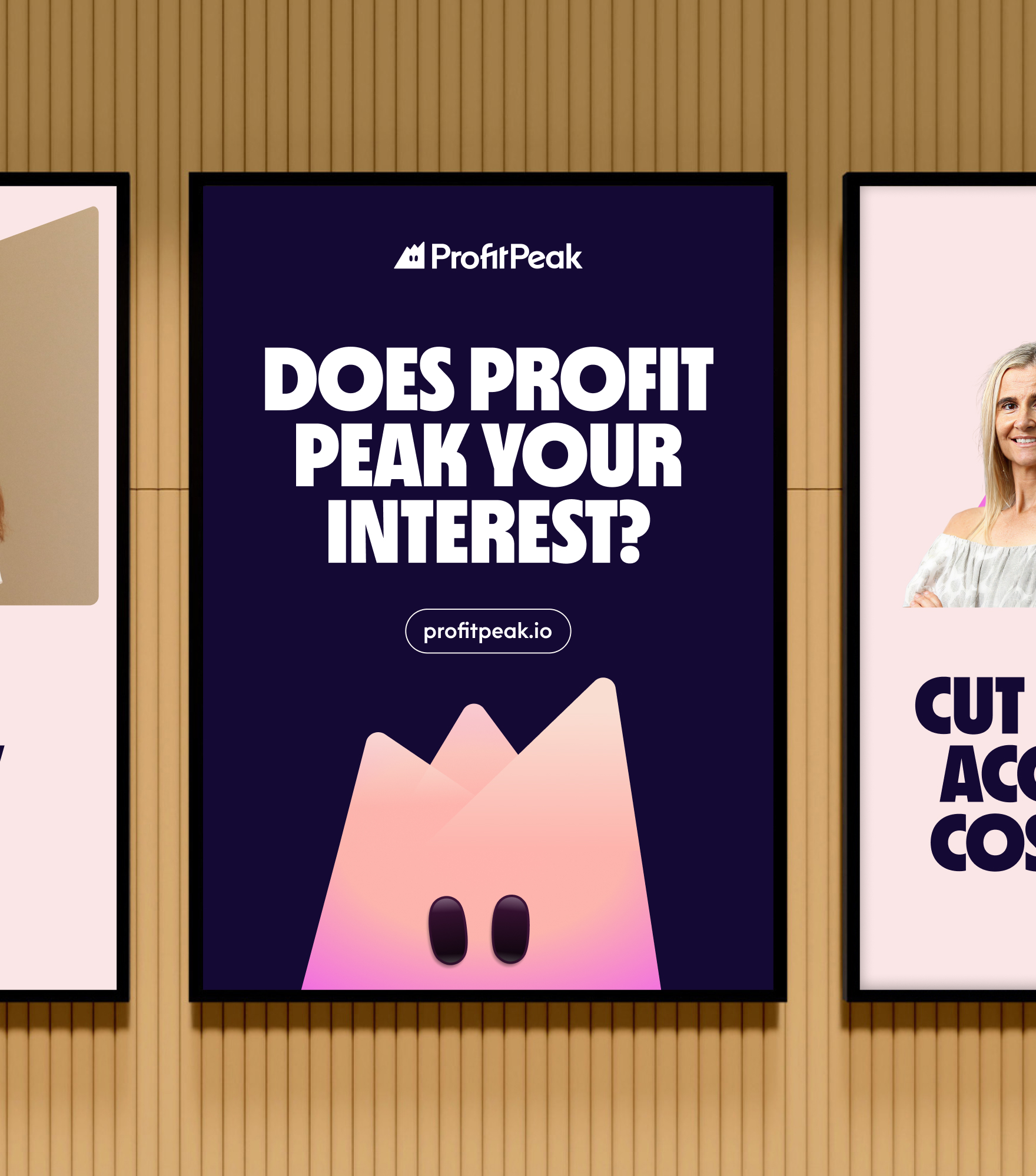
Why invest in a messaging framework?
Clarity that scales across teams
Most messaging problems aren't copywriting problems, they're clarity problems. When leadership, marketing, and sales describe the product differently, customers get confused and conversion suffers. A messaging framework forces clarity and then compounds it across every customer touchpoint.
- Alignment – Marketing, sales, and product describe the company the same way.
- Faster content – Writers work from a clear brief rather than starting from scratch.
- Better conversion – Customers respond to messaging that speaks to their specific problem.
- Scalable growth – New hires ramp faster when messaging is documented.
Book a call
FAQs
Messaging Framework FAQs
What's the difference between positioning and messaging?
Positioning defines your competitive stance — what category you compete in, who you serve, and how you're different. Messaging translates that positioning into language your audiences respond to. Good messaging is grounded in clear positioning.
How long does a messaging project take?
Typical engagements run 6–10 weeks. Faster projects skip deep customer research; longer projects include research, competitor analysis, and enablement. Enterprise projects with multiple audiences can extend to 12–16 weeks.
Do you do customer research?
Yes — and we recommend it. Customer interviews reveal the language that resonates, the problems customers actually care about, and the competitive alternatives they consider. Frameworks built without customer input often miss the mark.
What deliverables do we receive?
A full framework document (positioning, value proposition, messaging hierarchy, proof points), audience-specific message maps, sample copy across key use cases (homepage, sales deck, ad), and an enablement playbook for your team.
Can you adapt the framework for different audiences?
Yes. Most frameworks include audience-specific variations — for example, different emphasis for technical buyers vs. economic buyers, or enterprise vs. SMB. The core message stays consistent; the proof points and language flex.
Who should be involved from our side?
We work with a core team of 4–6 stakeholders: founders or leadership, marketing lead, sales lead, and product. Customers participate in research interviews. Broader team participation comes during enablement.
How does messaging relate to brand strategy?
Brand strategy defines who you are and what you stand for. Messaging defines what you say and how you say it to specific audiences. Messaging should flow from brand strategy — if your brand strategy is unclear, we fix that first.
Will we need to update messaging regularly?
Core positioning should be stable for 2–3+ years. Tactical messaging — campaigns, product launches, new audiences — evolves constantly. The framework gives you a stable foundation that lets you iterate tactically with confidence.
Results
Metrics
that matter
No items found.

Testimonial
In their words
Working with the UntilNow team has been a dream. They effortlessly translated our vision into unique designs and opportunities. Their dedication to going above and beyond have truly made them invaluable partners.

Simon Molner
Founder & CEO
Flagship
Recent News
